When sound becomes part of the story, visitors don’t just observe history. They experience it.
The Opportunity
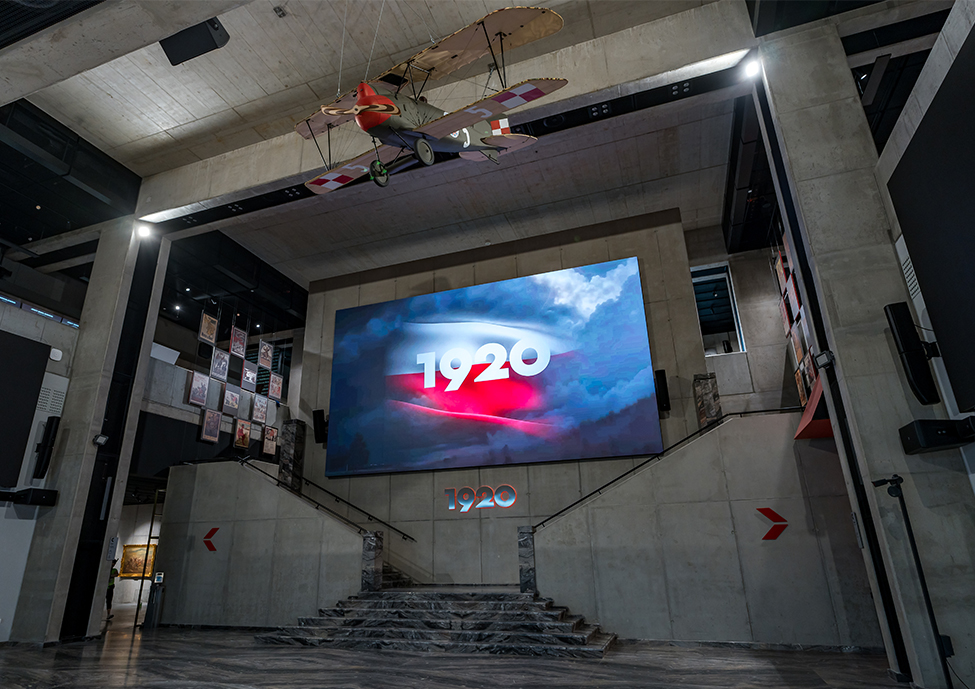
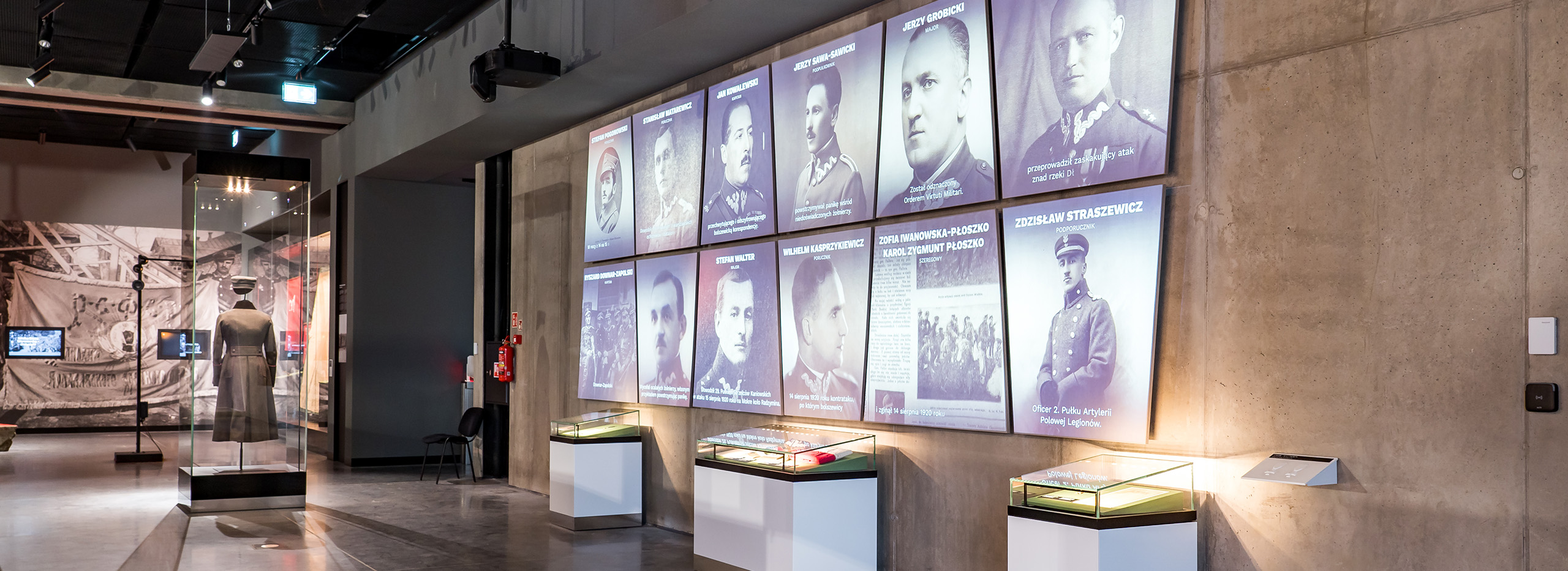
Located in Ossów, Poland, the 1920 Battle of Warsaw Museum was created to help visitors connect with one of the nation’s defining historical conflicts through interactive exhibitions, multimedia storytelling and cultural programming.
Within the newly constructed Polish Army Museum pavilion, the project team sought to create realistic and engaging soundscapes that would support the museum’s historical narrative. The system needed to handle immersive exhibition audio while also supporting traditional background audio, educational content and live events across multiple spaces.
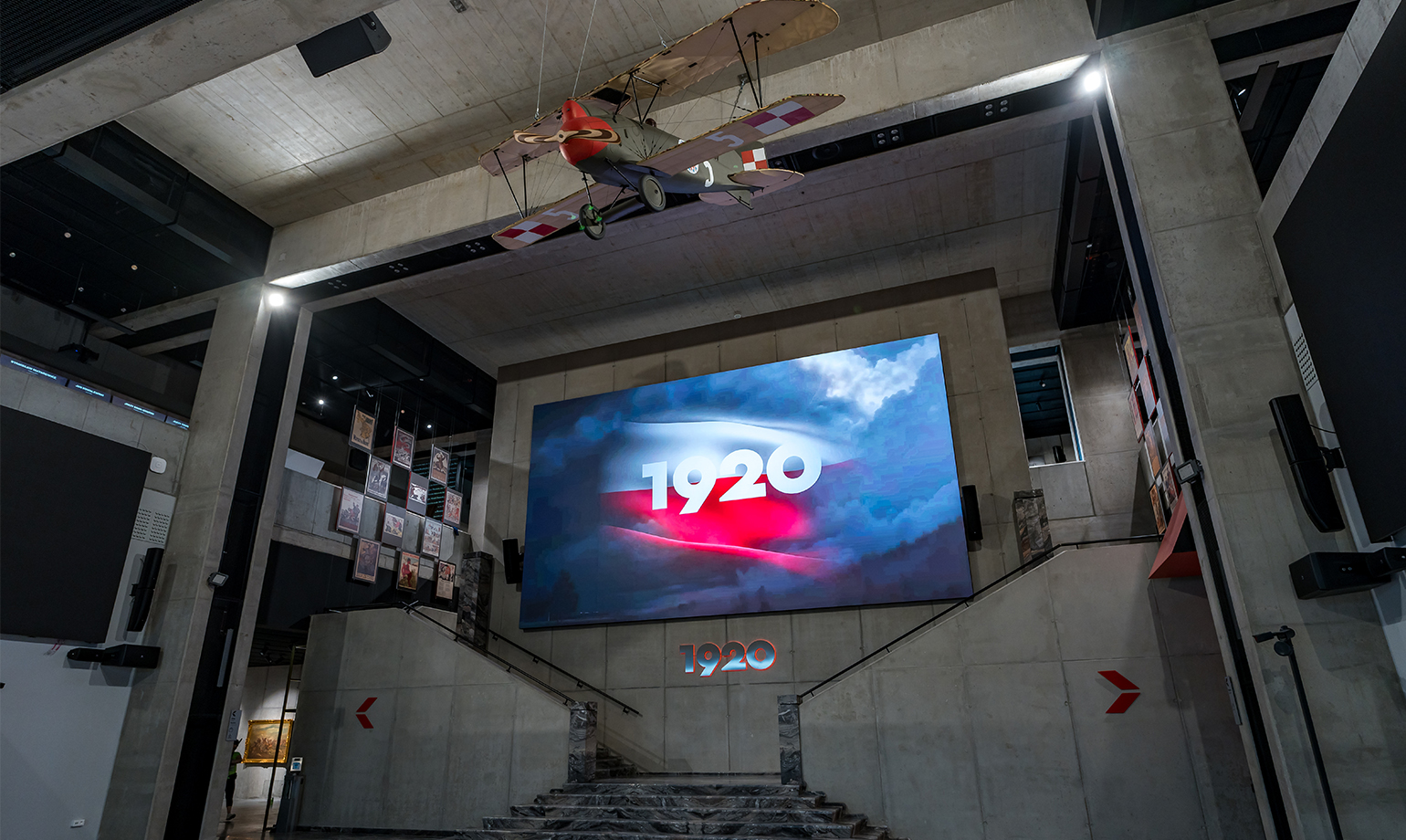
A key challenge for the integration team was the building’s architecture. With many loudspeakers positioned overhead, the solution needed to create the perception of sound moving naturally around visitors rather than appearing to originate from above. Achieving convincing localisation and immersion would be critical to the visitor experience.
The Solution: FLUX:: SPAT Revolution
To meet these requirements, system integrator ESS Audio designed a complete HARMAN Professional solution centred around FLUX:: SPAT Revolution.
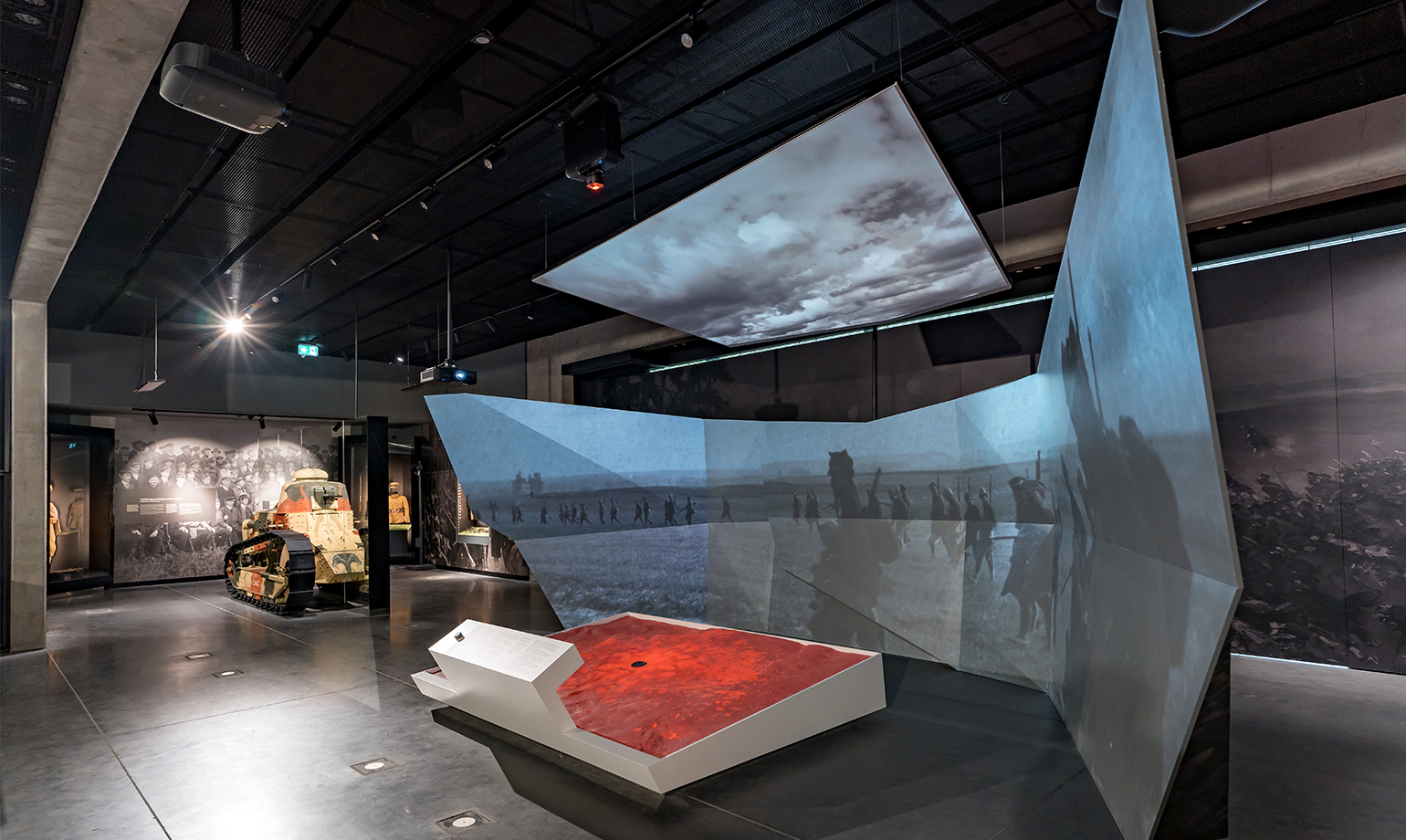
The immersive audio platform allows sound designers to position and move audio objects dynamically throughout a three-dimensional space. Elements such as aircraft, cavalry, troop movements and battlefield effects can be precisely located within the exhibition, creating a more realistic and emotionally engaging experience for visitors.
In addition to spatial positioning, SPAT Revolution’s acoustic modelling and reverberation tools enable designers to shape the perceived characteristics of individual spaces, helping reinforce the atmosphere and storytelling of each exhibit.
The museum entrance hall features two JBL CBT 1000 high powered column loudspeakers, four JBL CBT 70J columns with 70JE-1 LF extenders, 10 JBL AC16 compact loudspeakers and four JBL Control SB2210 subwoofers arranged in two half-ring configurations. Within the main exhibition hall, 14 JBL Control HST loudspeakers provide exceptionally wide coverage, six JBL CBT 70J-1’s and four JBL Control SB2210’s provide the foundation for the immersive audio environment, while additional JBL Control 25-1, Control 60PST pendant subwoofers and Control 67PT pendant loudspeakers deliver pristine audio to individual exhibits throughout the museum.
“One of the key advantages of FLUX:: SPAT Revolution was the ability to complete most of the spatial design work before arriving on site.”
“One of the key advantages of FLUX:: SPAT Revolution was the ability to complete most of the spatial design work before arriving on site,” said Mateusz Nawrocki of ESS Audio. “We collaborated closely with the composer, building and reviewing spatial mixes in advance using binaural previews. This approach not only saved significant time during installation but also ensured the final sound experience was already well defined and aligned before deployment.”
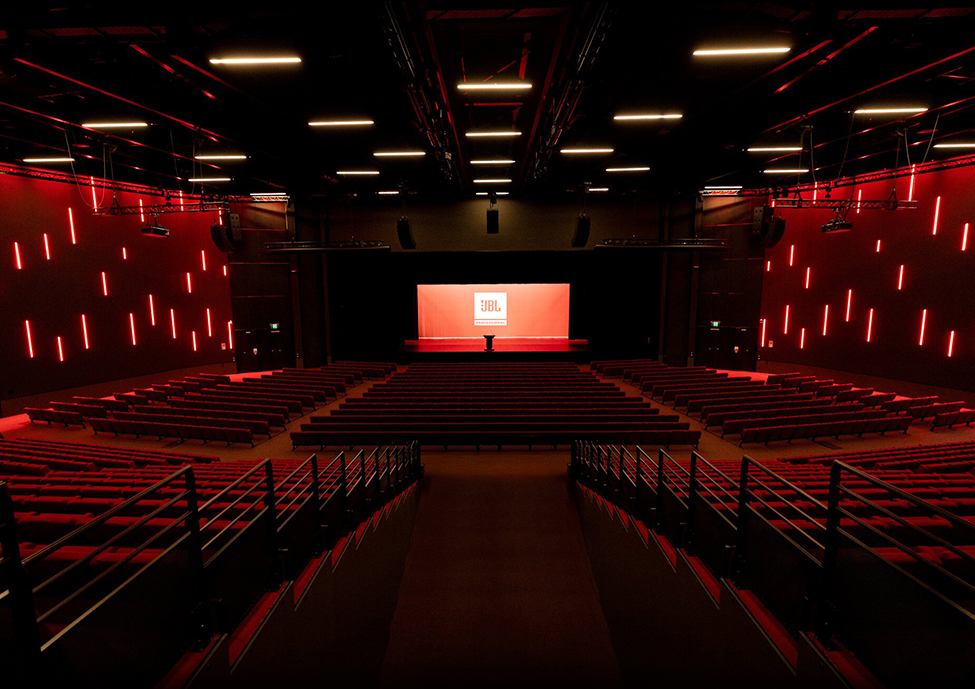
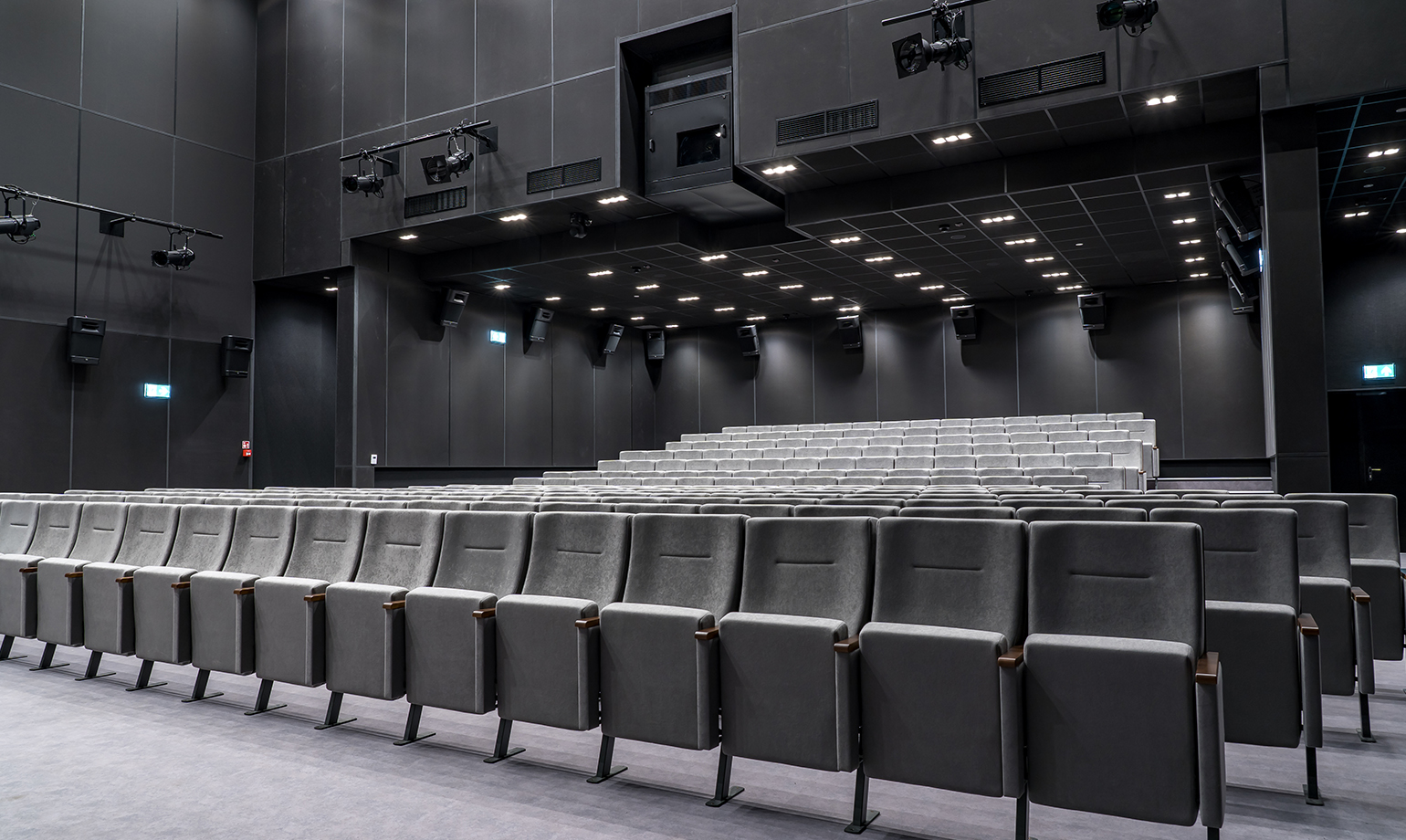
For live programming, the museum’s multi-functional performance space incorporates 14 JBL SRX906 powered line array loudspeakers, four JBL SRX915 powered subs and JBL 9300 Cinema Surround Series loudspeakers. Crown DSi amplifiers engineered specifically for cinema and immersive applications provide amplified power to the 9300 surrounds, while BSS BLU-101 and BLU-160 processors with Dante integration handle routing, tuning and distribution.
Soundcraft Si Series mixing consoles and AKG microphones support production requirements throughout the venue, while AMX video distribution, touch panel and control technologies provide centralised management across exhibition and event spaces.
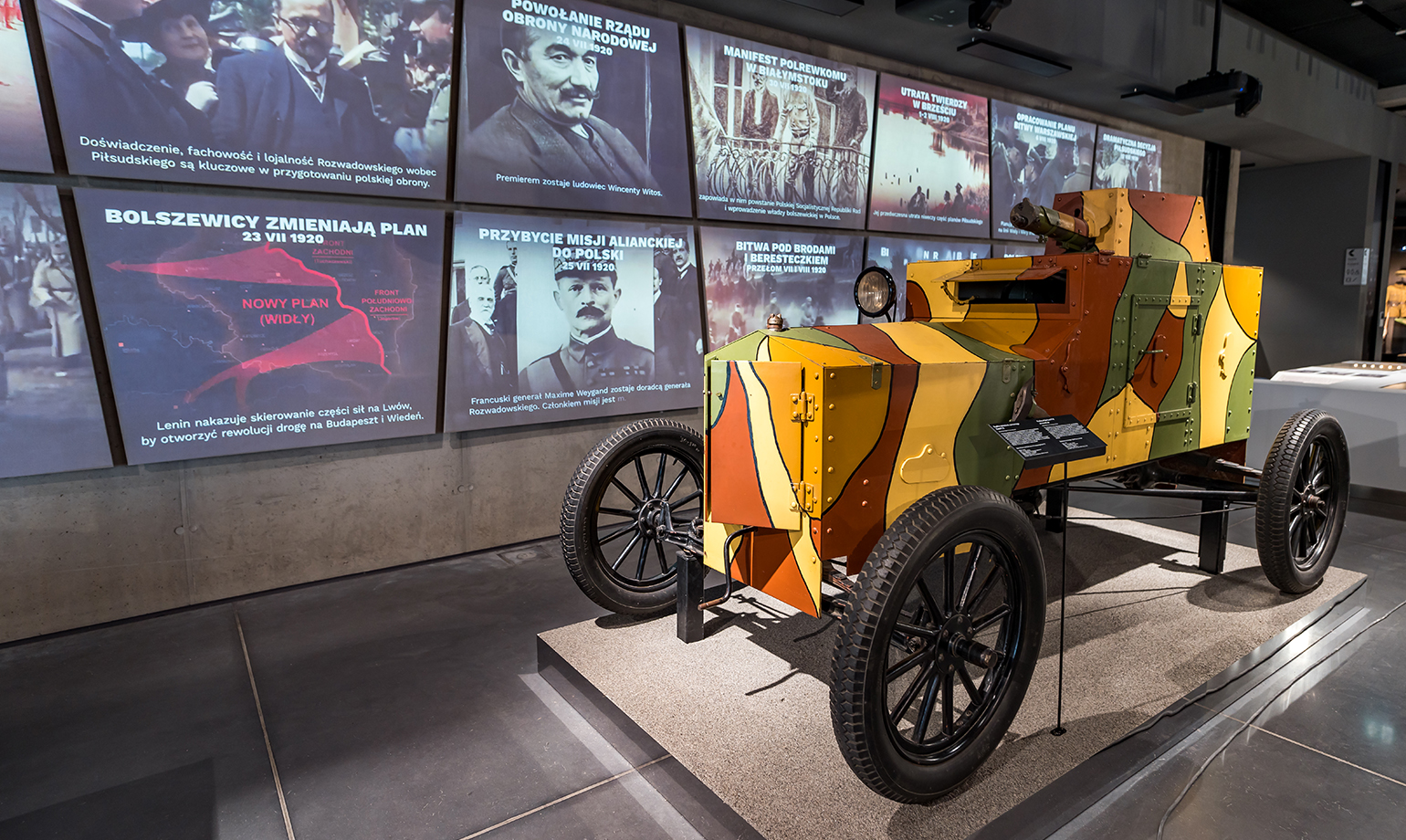
“In our exhibition, visitors can feel as if they are standing in the middle of a battlefield, creating a much stronger emotional connection.”
The Impact
The completed system enables sound to become an active part of the visitor journey rather than simply a background element.
Using FLUX:: SPAT Revolution, battlefield sounds move naturally through the exhibition, helping create realistic auditory environments while overcoming the challenges associated with ceiling-mounted loudspeaker locations. The result is stronger localisation, greater spatial realism and a more immersive experience for guests.
“In our exhibition, visitors can feel as if they are standing in the middle of a battlefield,” said Nawrocki. “This creates a much stronger emotional connection and helps them imagine the fear, tension, uncertainty and determination that people experienced. Instead of simply observing the exhibition, they become part of it for a moment.”
By combining immersive audio technology with a complete HARMAN Professional ecosystem, ESS Audio delivered a flexible platform capable of supporting interactive exhibitions, educational programming, lectures, performances and cultural events. The system allows the museum to use sound as an essential storytelling tool, enhancing historical interpretation while creating deeper audience engagement.
Why It Matters
Museums, visitor attractions and cultural institutions are increasingly looking beyond traditional audio playback to create more engaging and memorable experiences. Immersive audio technologies such as FLUX:: SPAT Revolution provide new tools for storytelling, allowing sound to be placed, moved and experienced as part of the narrative itself.
The 1920 Battle of Warsaw Museum demonstrates how immersive audio can transform exhibition spaces by creating stronger emotional connections, supporting education and delivering experiences that encourage visitors to engage more deeply with the content.
HOW CAN I IMPLEMENT SPAT REVOLUTION IN MY VENUE?
Complete the form below and our Team of Experts will be in contact to discuss your immersive audio requirement.